New reactor, geothermal and power sites bring first-of-a-kind equipment and long commissioning schedules. AgentMesh watches construction, balance-of-plant equipment and site security from their own signals and drafts condition reports for review. It is never on reactor protection or any safety-related system.
New designs have no long failure history. Baselines have to be learned during commissioning.
Every week of delay is expensive, and equipment problems found late cost the most.
Owners, regulators and insurers expect clear records of condition and of who decided what.
Each job is a domain kit: connections, fingerprints, rules, a playbook and reports for one class of asset. A pod can run several.
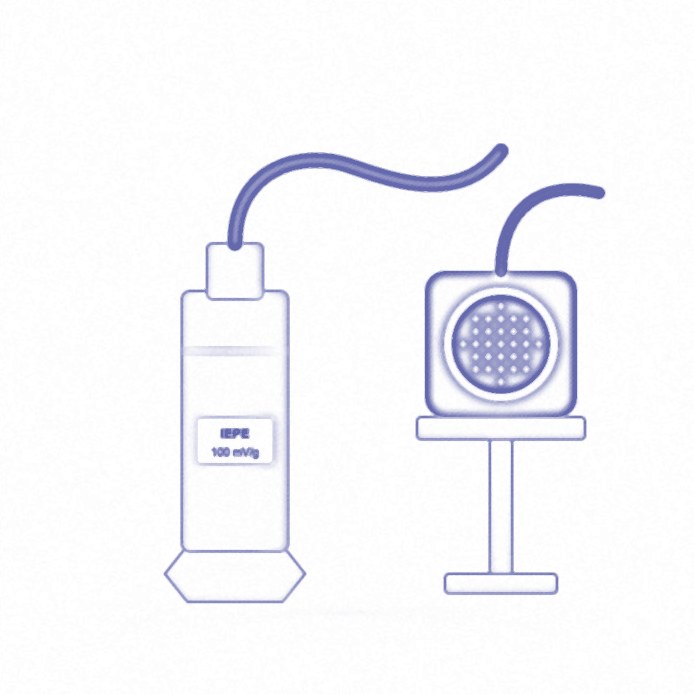
Pumps, fans, turbines, transformers and switchgear watched from vibration, electrical and thermal signals.
Findings written up with the evidence attached, for your engineers to review and sign.
Unusual traffic and commands on non-safety plant and construction networks, with audit evidence.
Connections go through the Unovie Gateway with allow-listed protocols. Everything is read-only unless the table says otherwise.
| System | How AgentMesh uses it |
|---|---|
| Balance-of-plant sensors | read-only |
| Non-safety plant historian | read-only |
| Electrical protection and power-quality data | read-only |
| Site network traffic (non-safety zones) | passive copy |
| Maintenance system | work orders out |
| Engineering review queue | reports out |
An engineer reviews your sensors, network and control systems before anything is signed — a 1–2 day visit.
Read-only connection, baselines from your history, replay of past events.
Live findings in the agreed lanes, drafted records, a measured latency report.
Results review and a signed evidence pack.
Pilot on one balance-of-plant area during commissioning or operation: replay in weeks 1–2, live flags and drafted condition reports in weeks 3–6.
Site audit: no charge, 1–2 days on site · 6-week paid pilot: $40–60K, credited in full against a production site signed within 90 days
The pod, the decision path, data safety and failover, for your architects.
Designed against NIST SP 800-53 and the NIST AI RMF, with evidence for your assessor.
Data, safety, hardware, price and what happens when the link drops.
Engineers on site across Texas, serving programs nationally.